Have you ever wondered how our city got its name? To someone who has never visited, the name “Grand Island” might sound like a sunny vacation hot spot in the tropics dedicated to tourist activities and relaxation. A Nebraskan city in the ocean of the beautiful great plains might not be the first thing they picture. But, there was once a large island near where present day Grand Island stands, before the it was lost to human innovation out of necessity. The history of the city began with determined, hard-working people with deep ties to the land, traits that are still woven into the fabric of the community. Let’s take a trip back in time and journey through the history of our city:
The Pawnee Indians once inhabited the wooded land near where today’s Grand Island now sits, settled on and around the tall island between two channels of the Platte River. The island was about 40 miles long and served as a landmark for travelers traversing several different trails, including the Mormon and California trails. French trappers who trekked along the river nicknamed the land, “La Grande Isle.”
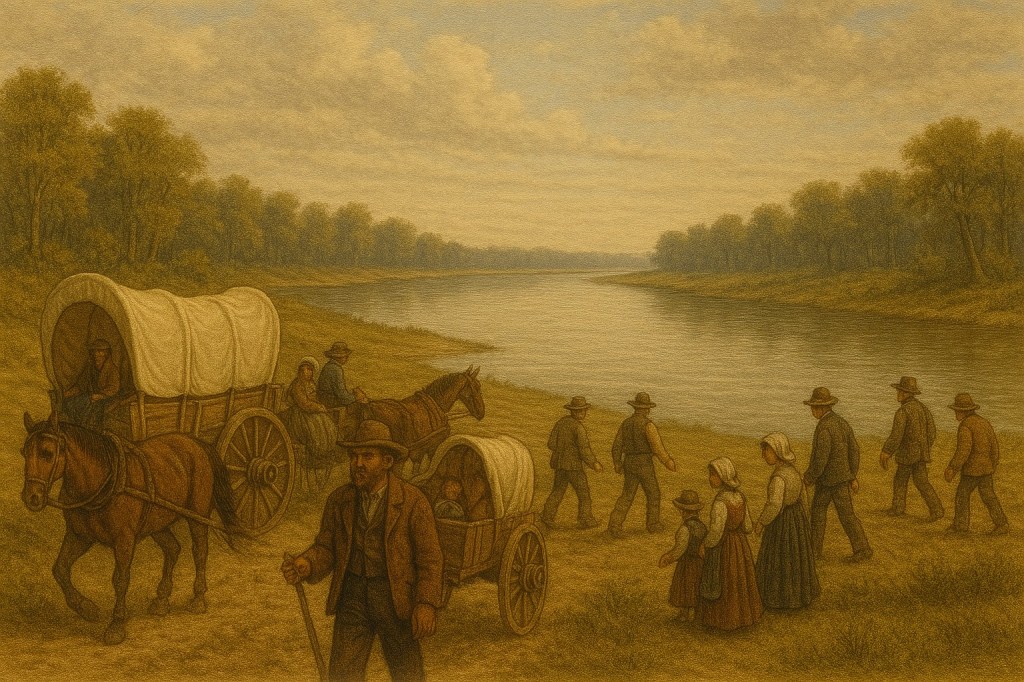
In 1848, the island was relinquished to the U.S. government from the Pawnee Indians. On July 4, 1857, a group of German settlers arrived on a section of the island with the intention of establishing a city along what would hopefully be the future transcontinental railroad.
They used wood from local trees to build homes, and were soon followed by other European settlers trickling into the area looking to own land. For nine years, these settlers endured the harsh conditions of the plains, including blizzards, before a survey crew from The Union Pacific finally came to the island to scout out the location of the railroad. With the help of the Pawnee Indians, who both worked and defended the railroad crew from the neighboring Sioux and Cheyenne tribes, the rail was finished in 1869.

The Union Pacific built a high-end hotel, machine stores, and other establishments to maintain the railroad station, and a small city sprang up, the seeds of the Grand Island that we know. During the Pike’s Peak gold rush, this city was the final place to restock supplies before eager gold hunters headed through the plains toward the Rocky Mountains to seek their fortunes.
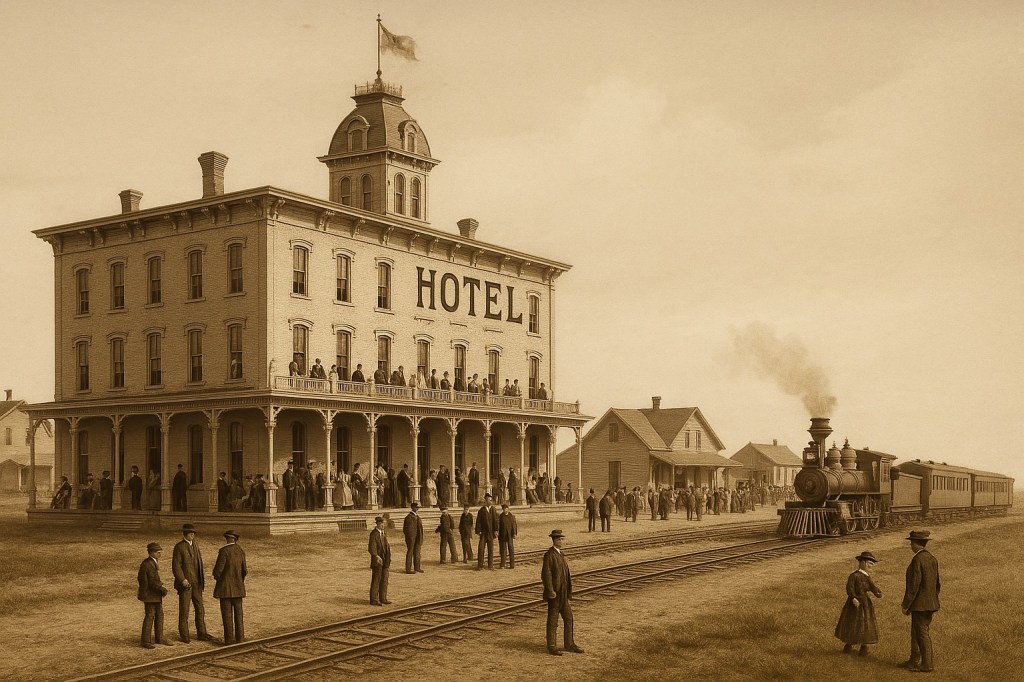
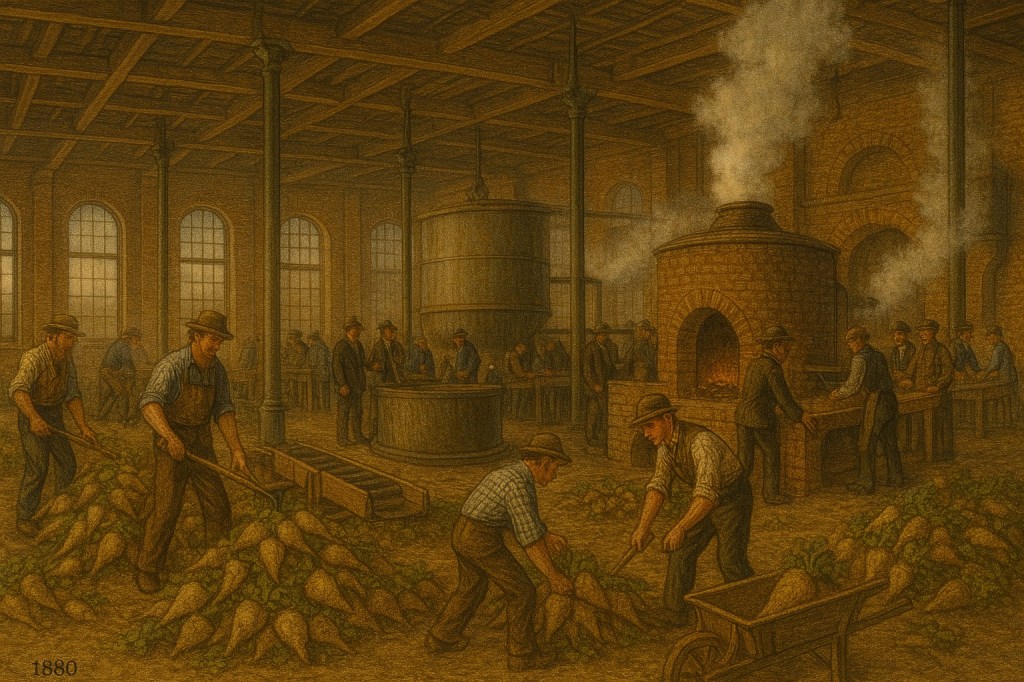
Beginning in the early 1880s, Grand Island experienced an economic boom as more railroads and roads were built, connecting the city to the surrounding areas and bringing more traffic to buy goods from local merchants. Houses and factories sprang up as the population boomed. These factories processed goods like cigars, soap, furniture, and alcohol, and included a steam-powered flour mill and a sugar beet processing factory, the first one to be established in the U.S.
As the city grew in size, the issue of seasonal flooding arose, and a dam was installed that diverted the Platte River, changing the landscape and causing the island to vanish into the grassy plains.
Grand Island continued to be an industrial and commercial center in the state over the decades with the arrival of the telephone and modern advancements, while maintaining its ties to agriculture and transportation. Today, Grand Island is the fourth largest city in Nebraska. Its most popular attractions include the Nebraska State Fair and the Stuhr museum, which hosts real life depictions of what facets of life were like for many of these early settlers.
The journey of Grand Island, from when the U.S. claimed a river island in the plains to the city it is today, an agricultural center with a vibrant economy, is an unfolding story that is still being shaped by the residents of today. The attributes of perseverance and hard-working spirit of those thirty-five determined German settlers have transcended the decades, and remain deeply embedded in the community.
 Webb Plaza
Leave a comment