When we think of Labor Day today, images of parades, barbecues, and one last summer holiday often come to mind. But beyond the long weekend, Labor Day carries deep historical significance. It is a day rooted in struggle, resilience, and triumph—a tribute to the men and women who fought to secure dignity, fairness, and rights in the workplace.
The Harsh Realities of the Industrial Era
In the late 19th century, America was booming with industrial growth. Factories, railroads, and mills powered progress, but they also demanded an enormous human cost. Workers toiled for 12 or more hours a day, six or seven days a week, often in unsafe and exhausting conditions. Children were sent to mines and mills, performing grueling labor for pennies.
Amid these hardships, workers began to rise up. They organized into unions, marched in the streets, and demanded change. Their collective voice became the spark of the labor movement.
The First Labor Day
The very first Labor Day celebration took place on September 5, 1882, in New York City, organized by the Central Labor Union. That day, thousands of workers marched in solidarity—not just to protest long hours and unfair wages, but also to celebrate the dignity and value of their work.
The event was so powerful that it sparked a movement. More cities and states began recognizing the holiday, and within a dozen years, it had spread nationwide.
From Protest to National Holiday
The road to official recognition, however, was not without conflict. Labor strikes in the late 1800s often turned violent, as seen in the Haymarket Affair of 1886 in Chicago and the Pullman Strike of 1894, which ended in bloodshed after federal troops were deployed against striking workers.
In an effort to reconcile with the labor movement and to formally honor the contributions of workers, President Grover Cleveland signed Labor Day into law as a federal holiday in 1894.
The Achievements of the Labor Movement
Labor Day stands as a testament to what the labor movement achieved. Because of their courage and persistence, we now benefit from rights that were once unimaginable:
- The 8-hour workday
- Safer workplaces
- Minimum wage laws
- Protections against child labor
- The right to unionize and bargain collectively
These victories not only transformed working conditions but also laid the foundation for a more just and equitable society.
Why It Still Matters Today
Labor Day is more than a historical milestone—it is a reminder that progress is never guaranteed. Modern workers still face challenges: fair pay, safe workplaces, work-life balance, and equality in opportunity. The holiday encourages us to reflect on those who came before us and to continue striving for dignity in every profession.
A Day of Reflection and Gratitude
As we enjoy the long weekend, let’s not forget the true meaning of Labor Day. It is a day to pause and honor the resilience of America’s workers—past and present—who built the roads we drive on, the schools our children attend, the technology we use, and the communities we call home.
✦ Labor Day is not just a day off—it is a day to look back with gratitude and forward with determination, honoring the sacrifices that gave workers a voice and a brighter future.
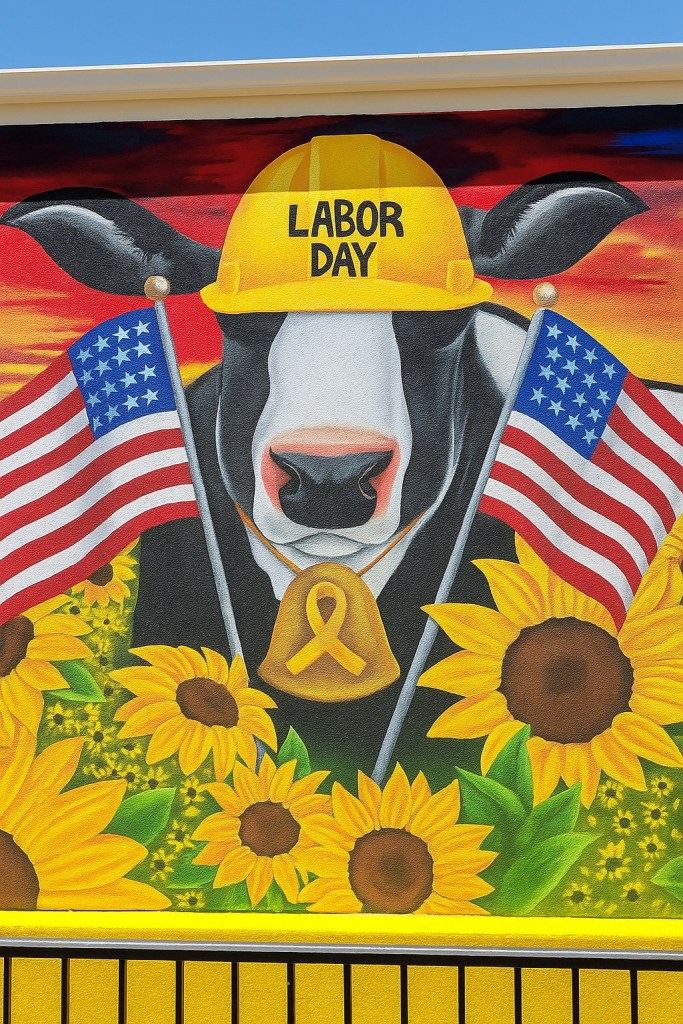
 Webb Plaza
Leave a comment